
China Exports to Russia Decline: Impact of Sanctions
or complex compliance issues.
clearance and fund security.
According to data analysis from the General Administration of Customs,in November 2024,China’s total exports to Russia amounted to $10.04 billion,a year-on-year decrease of 2.5% and a month-on-month drop of 8.7% compared with $11 billion in October.Prior to this,in October,China’s exports to Russia had seen a year-on-year increase of as high as 26.7%.This significant turnaround indicates that China’s exports to Russia came to a sudden halt in November after three consecutive months of growth.Although China’s overall exports in November 2024 still maintained a year-on-year growth of 7%,this round of adjustment in exports to Russia has drawn the attention of the industry to the future development trend of Sino-Russian economic and trade cooperation.
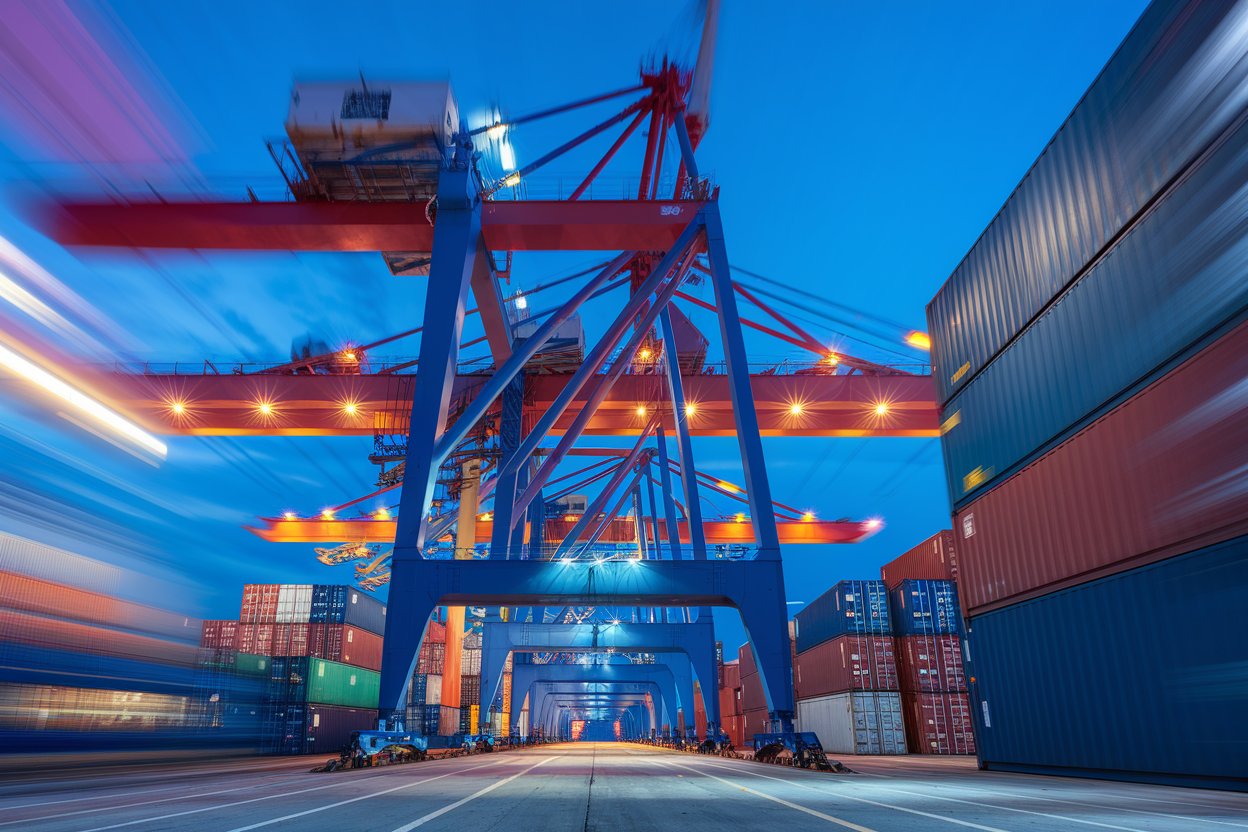
From August to October this year,Sino-Russian trade relations remained relatively stable,with exports showing continuous growth.This period coincided with deepening economic and trade cooperation between China and Russia,particularly in energy,machinery,electronics,and agricultural supply chains,where Chinese companies frequently engaged with the Russian market.However,this momentum reversed in November,with total exports dropping sharply by 8.7% compared to October,suggesting that factors such as Russian market demand,trade settlement arrangements,and policy risks may have collectively contributed to a temporary slowdown in Chinas exports to Russia.
Analysis suggests that the U.S.Treasury Departments latest sanctions on Russias financial sector on November 21 were a key trigger for this export decline.On that day,the U.S.announced sanctions against Gazprombank and over 50 other Russian banks with international ties.These measures significantly increased Russias difficulties in international settlements and financing,while also raising payment and credit risks for Chinese exporters in trade with Russia.Under international financial sanctions,Chinese exporters to Russia must more carefully assess trade terms and payment cycles to mitigate potential losses.Such financial and supply chain uncertainties often impact export stability in the short term,leading to disruptions in order execution and payment collection for Russian-bound shipments.
From a broader perspective,Chinas overall exports in November continued to grow,demonstrating resilience in other global markets amid trade volatility.However,exports to Russia,as a special case,revealed vulnerabilities due to geopolitical,international financial policy,and bilateral industrial factors.While the sustained growth in previous months may have partly stemmed from Russias increased demand for specific goods,Novembers inflection point indicates that Sino-Russian trade cannot always maintain unilateral rapid expansion under all conditions.
Moreover,as Western countries continue to target Russian financial institutions,Russias constraints in international payments and cross-border settlements are deepening.For Chinese exporters,this does not merely mean reduced orders but also raises questions about how to maintain normal Sino-Russian trade through compliant channels and secure settlement methods.Market observers note that if China and Russia cannot establish more stable payment and clearing mechanisms in the short term,export data in the coming months may remain volatile.Conversely,progress in local currency settlements,currency swap agreements,or payment channel development could mitigate the negative impact of external sanctions on bilateral trade.
On the other hand,Sino-Russian economic and trade relations have diversified in recent years,extending beyond traditional energy and primary products to include electrical machinery,auto parts,home appliances,apparel,and agricultural products.However,the short-term decline in exports to Russia still reflects the disruptive influence of international political dynamics on economic cooperation.The export growth in previous months may have benefited from Russian businesses rapid demand for alternative products and Chinese exporters filling market gaps left by sanctioned suppliers.Yet,the current inflection point serves as a reminder that international financial rules and regional policy changes can abruptly alter trade trends.
Overall,the November decline in Chinas exports to Russia does not necessarily signal a long-term reversal but does introduce short-term uncertainties.Whether Sino-Russian trade can return to growth depends on both sides ability to address external policy pressures,adjust payment methods,and enhance resilience against external disruptions in legal,settlement,and credit assurance aspects.Additionally,attention must be paid to Russian importers sustained purchasing power for Chinese goods,supply chain adaptability,and Chinese companies flexibility in navigating intertwined political and economic challenges.
Was this helpful? Give us a like!
Contact our experts for compliance audits, precise quotes, and one-stop customs support.
Recent Comments (0) 0
Leave a Reply