
Korean Pet Food I/E Agency Full Process | Regulatory Compliance to Cost Reduction SOP
or complex compliance issues.
clearance and fund security.
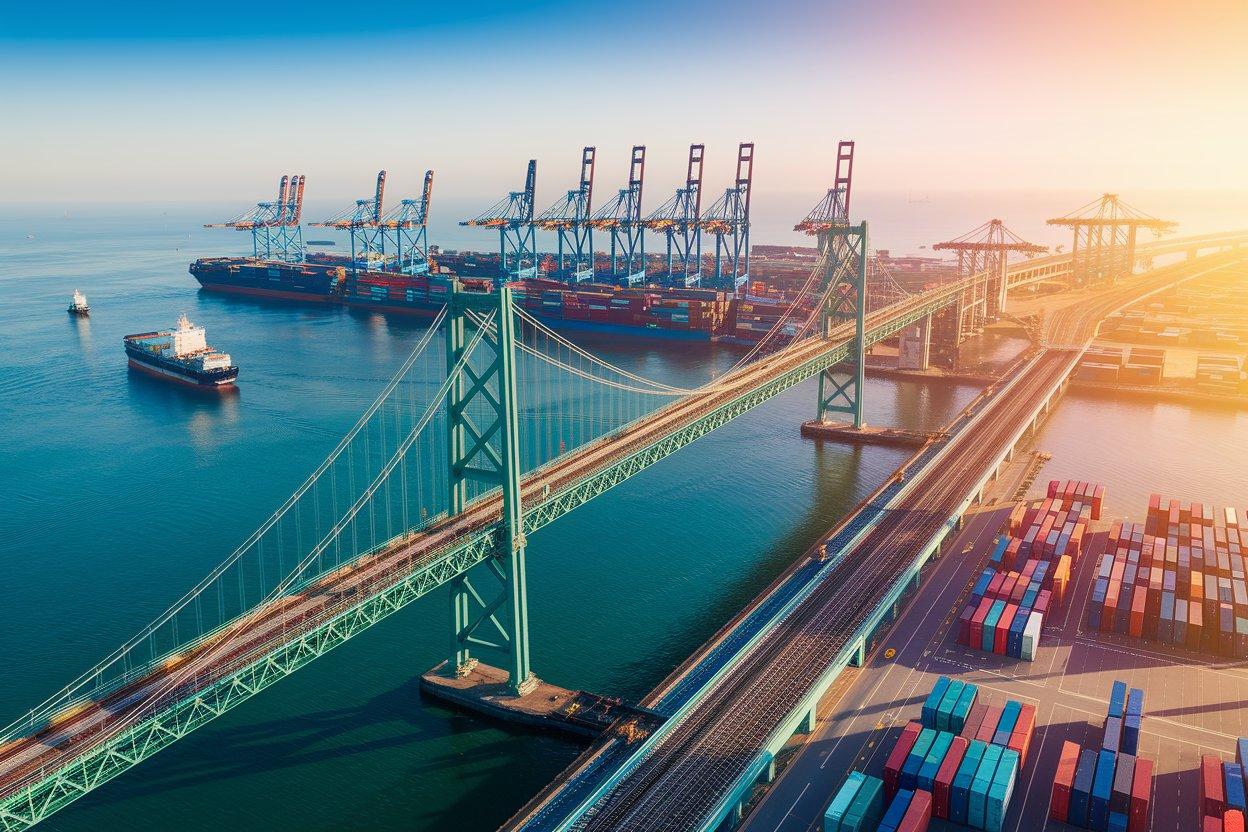
With the export value of pet food from South Korea increasing by more than 20% for three consecutive years,and China being its largest importer,the update of the pet food quarantine standards by the General Administration of Customs in 2026 has made many traders realize that the traditional "release upon completion of all necessary documents" model might lead to the entire container being detained due to a single error in ingredient labeling under the new regulations.
Korean pet foodThe three invisible thresholds (regulations + procedures + costs) ofn
| Common Cognitive Biases | The actual compliance requirements | Risk consequences |
|---|---|---|
| As long as it meets the Chinese import standards | It is necessary to simultaneously meet the requirements of South Korea’s export quarantine (such as KFDA certification) and China’s new import regulations (such as the Pet Food Hygiene Standard GB/T 34700-2017). | The goods were detained at the customs and the daily storage fees in the port exceeded $500 |
| The agent can handle all the necessary documents | Companies need to prepare in advancea component analysis report,,Pet Feed Registration Certificate(Must process if used within China) | The customs clearance was delayed due to incomplete documents,which resulted in missing the peak sales season |
| The validity period only depends on the shipping schedule | It is necessary to consider the waiting time for quarantine at Chinese and Korean ports (from Busan Port to Qingdao Port,with an average waiting time of 3-5 days for quarantine). | Out of stock and loss of customers |
The underlying logic of these thresholds is that there are differences in the definitions,ingredients,and quarantine requirements of pet food between Chinese and South Korean regulations,while the "hidden time costs" in the logistics process (such as queuing for port quarantine) are often overlooked.From the cost structure perspective,compliance costs (such as certification and documentation) only account for 15% of the total cost,but the hidden losses from port detention fees and customer attrition can reach up to 40% of the total cost.
The pet food imported from South Korea.Full-process SOP (implemented in four steps)
Step 1: Prepare the core documents (to be completed by the enterprise independently) Output:
- ObtaintheinformationofKoreanexporters.KFDAPetFoodExportCertification(Mustincludeingredientlist,productionprocessdescription)
- HandleChinaImportPermitforAnimalsandPlantsQuarantine(ApplytoGACC20workingdaysinadvance)
- PrepareChinese-Englishtranslationoflabels(Mustmark“PetFeed,”ingredientsmustmeetGB/T34700-2017)
Step 2: Agent screening and cost negotiation Output:
- CompareoffersfrommorethanthreeagentsCustomsclearancetimecommitment(AvgclearancecycleforBusan-Qingdao/Incheon-Shanghai)
- ---HongKongPortDelayRiskPreventionPlan(e.g.documentpre-auditservice)
- Whensigningthecontract,itshouldbeclearlyspecifiedthatLiabilityClause(e.g.compensationratioforseizureduetoagenterror)
Step 3: Transportation and customs clearance execution (led by the agent) Output:
- ChooseDirectflightroutes(Busan-Qingdao/Incheon-Ningbo,reducingtransitquarantinelinks)
- 72hoursbeforearrival,theagentsubmitsthedocumentsPre-declaration(Includingingredientreports,quarantinecertificates)
- Whenthecustomsinspectsthegoods,makesurethat.SamplerandominspectionThecompliancecooperation(suchasprovidingsterilesamplingtools)
Step 4: Domestic distribution and secondary quality inspection Output:
- Itshallbecompletedwithin24hoursaftercustomsclearanceStoragetemperaturemonitoring(Petfoodneedsdark,drystorage)
- Hireathird-partyagencytodoitIngredientreview(Recommendedsamplingforeverybatchtoavoidmarketcomplaints)
- SynchronousupdateImportrecordsGotothe"ImportPetFeedManagementPlatform".
The "double standard compliance" trap that 90% of enterprises overlook (South Korea + China)
Output:
- CompareoffersfrommorethanthreeagentsCustomsclearancetimecommitment(AvgclearancecycleforBusan-Qingdao/Incheon-Shanghai)
- ---HongKongPortDelayRiskPreventionPlan(e.g.documentpre-auditservice)
- Whensigningthecontract,itshouldbeclearlyspecifiedthatLiabilityClause(e.g.compensationratioforseizureduetoagenterror)
Step 3: Transportation and customs clearance execution (led by the agent) Output:
- ChooseDirectflightroutes(Busan-Qingdao/Incheon-Ningbo,reducingtransitquarantinelinks)
- 72hoursbeforearrival,theagentsubmitsthedocumentsPre-declaration(Includingingredientreports,quarantinecertificates)
- Whenthecustomsinspectsthegoods,makesurethat.SamplerandominspectionThecompliancecooperation(suchasprovidingsterilesamplingtools)
Step 4: Domestic distribution and secondary quality inspection Output:
- Itshallbecompletedwithin24hoursaftercustomsclearanceStoragetemperaturemonitoring(Petfoodneedsdark,drystorage)
- Hireathird-partyagencytodoitIngredientreview(Recommendedsamplingforeverybatchtoavoidmarketcomplaints)
- SynchronousupdateImportrecordsGotothe"ImportPetFeedManagementPlatform".
The "double standard compliance" trap that 90% of enterprises overlook (South Korea + China)
Output:
- Itshallbecompletedwithin24hoursaftercustomsclearanceStoragetemperaturemonitoring(Petfoodneedsdark,drystorage)
- Hireathird-partyagencytodoitIngredientreview(Recommendedsamplingforeverybatchtoavoidmarketcomplaints)
- SynchronousupdateImportrecordsGotothe"ImportPetFeedManagementPlatform".
The "double standard compliance" trap that 90% of enterprises overlook (South Korea + China)
In the export standards for pet food in South Korea,certain ingredients (such as beef bone meal) are allowed for use in South Korea,but they are classified as "subject to additional quarantine" in China’s new regulations.Companies need to request South Korean factories to adjust their formulas in advance or apply for approval when importing the products.Special Quarantine ChannelIn addition,starting from 2026,China will implement stricter regulations on pet food.Microbiological indicatorsThe requirement is to increase by 30%,and the agent must possess the following qualifications:Cold chain disinfection capability(e.g.ozone disinfection inside containers).
3 urgent actions that can be implemented today
- CheckwhethertheKFDAcertificationofexistingKoreansuppliersincludesthecategoryof"petfoodexport"(ratherthanordinaryfeed).
- ContacttheagenttorequestitThelatestcustomsclearancecosttablefor2026(Comparebundledpricesforseafreight+clearance+warehousing)
- DownloadTheQuarantineRequirementsforPetFeedImportedintoChina(GACCAnnouncement2026No.X),markinglabelcomplianceitems
Was this helpful? Give us a like!
Contact our experts for compliance audits, precise quotes, and one-stop customs support.
Recent Comments (0) 0
Leave a Reply