
Guide to Exporting Goods to Europe: Shipping Options
or complex compliance issues.
clearance and fund security.
With the continuous development of global trade,commercial exchanges between China and Europe are becoming increasingly frequent.For export enterprises,selecting appropriate transportation methods can not only reduce costs but also ensure timely and safe delivery of goods.Currently,main transportation methods for exporting goods to Europe include,rail transport and international multimodal transport.This article will provide detailed analysis of characteristics and relevant considerations for different transportation methods when exporting goods to Europe.
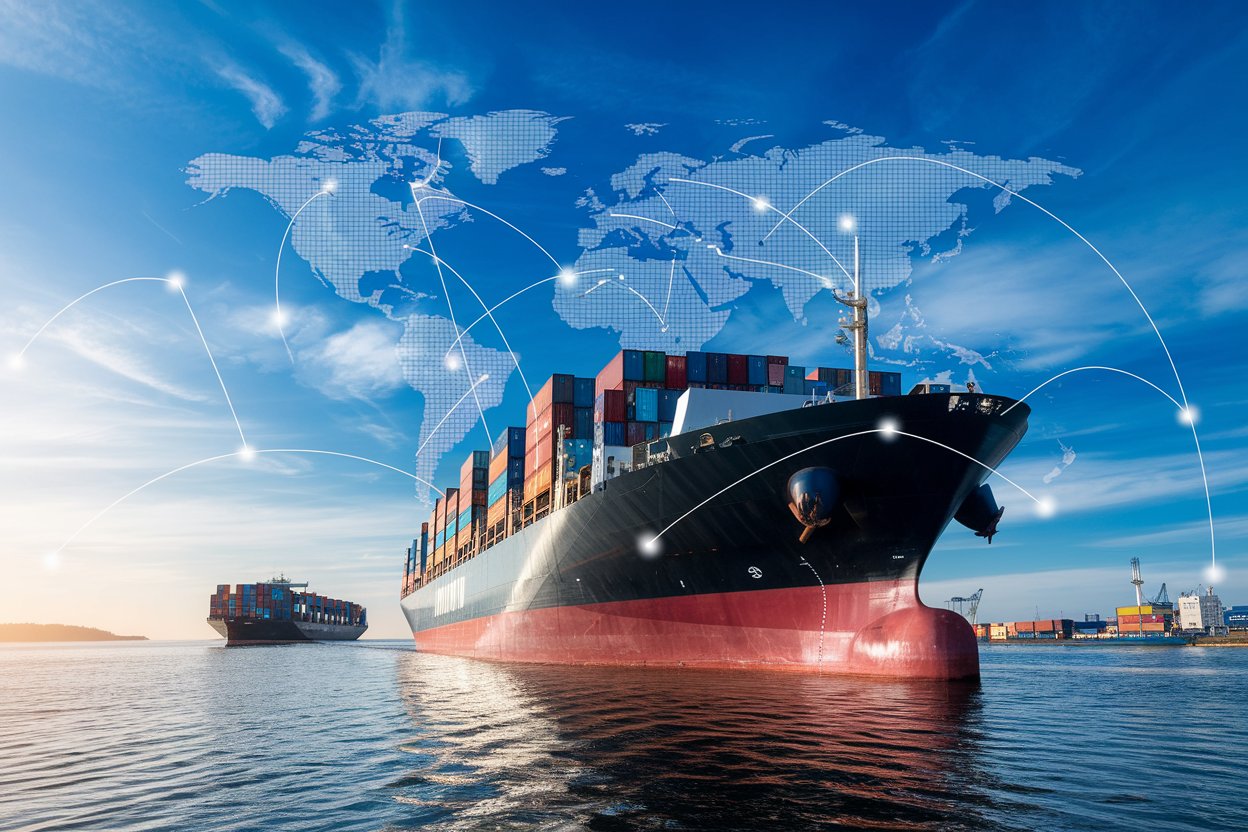
I.Ocean Shipping
(1) Liner Shipping
- Characteristics
- Fixedroutes,schedules,portsandrelativelyfixedfreightrates.Thisenablesshipperstoarrangecargotransportationplansmoreaccurately.
- Theshippingcompanyisresponsibleforstowageandloading/unloading,withthesecostsincludedinthefreight,sothecargoownerdoesntneedtopayadditionalloading/unloadingfees,andneitherpartyneedstocalculatedemurrageordispatchmoney.Thiscanreducecostaccountingandliabilitydisputesbetweentradingpartiesregardingloading/unloading.
- Important Considerations
- Payattentiontothecut-offtimefordocumentsandcargoinlinershipping.Thedocumentcut-offtimereferstothedeadlineforsubmittingbillofladingsamplesandothershippingdocuments,whilethecargocut-offtimereferstowhentheterminalstopsacceptinggoods.Missingthesedeadlinesmayresultinfailuretoloadgoodsontime,leadingtoadditionalstoragecostsandotherlosses.
- Goodspackagingmustmeetrequirementsforoceanshipping.Duetolongtransportationtimesatseaandpotentialexposuretoharshweather,packagingmustbemoisture-proof,shock-resistantandpressure-resistant.
(2) Charter Shipping
- Characteristics
- Suitableforbulkcargotransportation,chartershippingcanflexiblyarrangevesselsaccordingtocargovolumeandtransportationrequirements.
- Withoutfixedroutes,schedulesorfreightrates,chartershippingmayofferlowercoststhanlinershipping,dependingoncharterpartyterms.
- Important Considerations
- Charterpartytermsarehighlycomplexandrequirecarefulreview.Provisionsregardingloading/unloadingports,laytime,calculationofdemurrageanddispatchmoneydirectlyaffecttransportationcostsandliabilityallocation.
- Chartershippingcarriesrelativelyhigherrisks,requiringthoroughevaluationofshipownerscredibility,vesselageandmaintenancerecordstoavoidtransportationsafetyhazardscausedbypoorvesselconditions.
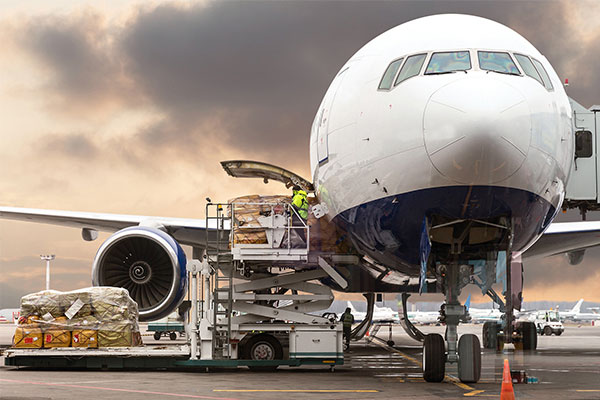
II.Air Transport
- Characteristics
- Fastspeed,whichcansignificantlyreducecargotransittime.Fortime-sensitivegoodssuchashigh-valueelectroniccomponentsandfashionapparel,airtransportisanexcellentchoice.
- Duetotherelativelystandardizedandcautioushandlingprocessesinairtransport,thedamagerateofgoodsduringtransitislower.
- Important Considerations
- Airfreightcostsarehigher,sothedecisiontochooseairtransportshouldbeweighedagainstthevalueandurgencyofthegoods.Additionally,accuratecalculationofvolumetricweightandactualweightisrequired,asairlinesgenerallychargebasedonwhichevervalueisgreater.
- Strictpackagingrequirementsmustbemettocomplywithairtransportsafetyregulations.Forexample,hazardouspackagingmaterialsareprohibited,andpackagingmustindicatethenatureandweightofthegoods.Forelectronicproductscontainingbatteries,relevantbatterycertificationdocumentsmustbeprovided.
III.Rail Transport
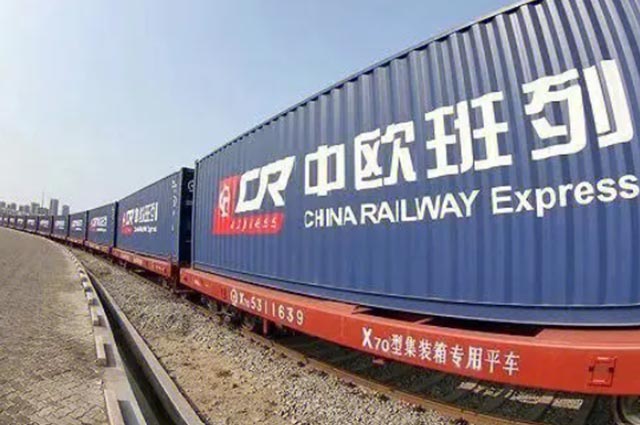
- Characteristics
- Fasterthanoceantransportandmorecost-effectivethanairtransport.
- Enablesdoor-to-doortransportservices,reducinglossesfromloading/unloadingandtransfersbetweendifferenttransportmodes.
- Important Considerations
- Asrailtransportinvolvescoordinationamongmultiplenationalrailwaydepartments,transitplansmaybeaffectedbyfactorssuchasinfrastructuremaintenanceandcustomsinspectionsindifferentcountries.Therefore,itsessentialtounderstandrelevantclearancepoliciesandproceduresinadvance.
- Cargodimensionsandweightmustcomplywithrailtransportrequirements.Differentraillinesandvehicleshavespecificlimitsforweightandheight.
- TransportCoordination:Coordinatewithrailschedulestoavoiddelays.
- IntermodalTransfer:Plantransitionsbetweenrailandothertransportmodes.
- SafetyAssurance:Implementmeasurestoprotectgoodsduringtransit.
IV.Inland Waterway Transport
- Characteristics
- Cost-effectiveness:Suitableforheavyandbulkcargo,withlowtransportcosts.
- EnvironmentalAdvantage:Highenergyefficiencywithlowemissions.
- GeographicalLimitations:Dependentonnavigableriversandcanals.
- Important Considerations
- SeasonalVariations:Monitorwaterlevelsandweatherchangesaffectingshipping.
- PortFacilities:Ensureavailabilityofloading/unloadinginfrastructure.
- TransitTime:Comparedtoroadandrail,inlandwaterwaytransportisslower.
V.International Multimodal Transport
- Characteristics
- Leveragetheadvantagesofmultipletransportmodesbycombiningthemorganically.Forexample,usingsea-railintermodaltransporttoshipgoodstoEuropeanportsviaoceantransport,thenonwardtoinlandEuropeandestinationsviarail.
- Asingleintermodaltransportoperatorassumesresponsibilityfortheentirejourney.Theshipperonlyneedstosignacontractwiththeintermodaloperator,simplifyingtransportprocedures.
- Flexibility:Optimizeroutesandcostsbyutilizingthestrengthsofvarioustransportmodes.
- ComplexCoordination:Effectivemanagementofdifferentcarriersandschedulesisrequired.
- Important Considerations
- Itisnecessarytoselectoperatorswithgoodreputationandextensiveexperiencetoensurethesafetyandtimelyarrivalofgoodsthroughoutthetransportationprocess.
- Duetotheinvolvementofmultipletransportationmodetransfers,attentionmustbepaidtotheconnectionbetweendifferentmodestoavoidadditionalcostssuchasportdemurragefees.Atthesametime,thedivisionofresponsibilitiesduringthetransitionbetweendifferenttransportationmodesshouldbeclearlydefined.
- ContractClarity:Clearlydefinetheresponsibilitiesandobligationsofallparties.
- TrackingSystem:Implementareliabletrackingsystemtomonitortheentiretransportationprocessofgoods.
- Compliance:Ensurecompliancewithregulationsforalltransportationmodesinvolved.
VI.General Considerations for All Transportation Methods
- InsuranceCoverage
Ensure appropriate insurance is purchased to cover potential risks during transportation.
Prepare accurate documentation for customs clearance to ensure smooth inspection.
Use appropriate packaging materials to protect goods from damage.
Understand and comply with international and local transportation regulations to ensure compliance.
Conclusion
When selecting transportation methods for exporting goods to Europe,export enterprises should comprehensively consider the actual conditions of the goods,such as their characteristics,time requirements,and cost budgets,to choose the most suitable transportation method,ensuring that the goods arrive at their destination on time,safely,and economically.By fully understanding the characteristics and precautions of various transportation methods,exporters can make better decisions to ensure the efficient and safe delivery of goods to the European market.
Was this helpful? Give us a like!
Contact our experts for compliance audits, precise quotes, and one-stop customs support.
Recent Comments (0) 0
Leave a Reply