
Electric Vehicle Battery Safety: New Korean Regulations
or complex compliance issues.
clearance and fund security.
The EV industry is evolving rapidly,but safety concerns persist,especially after recent fire incidents that heightened public anxiety.The South Korean government responded swiftly by introducing new EV battery safety regulations to raise standards and reduce fire risks.For importcompanies andpractitioners,understanding and complying with these regulations is critical for uninterrupted operations.Today,we break down these new requirements.
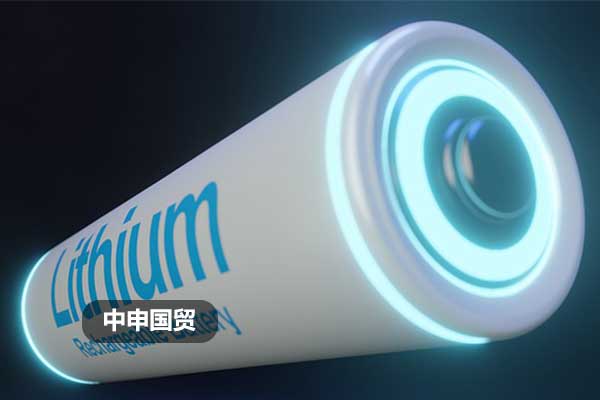
I.Advanced Implementation of Battery Certification Rules
To better prevent EV fires,the South Korean government has moved up the trial implementation of its EV battery certification system to October this year,instead of the originally planned February 2025.This means both domestic and imported EV brands must undergo rigorous battery safety checks before production.Manufacturers must provide detailed battery information,including capacity,maximum output,and base materials,to ensure compliance with the new standards.
II.Battery Information Disclosure Requirements
Per Prime Minister Han Duck-soos statement,EV manufacturers must disclose key details such as battery sourcing and manufacturing technology.Disclosed information includes brand,core components,capacity,and maximum output.Such disclosures aid government oversight and enhance consumer transparency,bolstering trust in EV safety.
III.Enhanced Routine Battery Inspections
For routine inspections,the government plans to expand test items for closer battery monitoring.Inspections will cover critical metrics like voltage,temperature,and charge levels,with inspection stations rapidly equipped with necessary devices.This ensures stricter checks to identify and resolve potential battery issues early.
IV.Mandatory Liability Insurance & Government Subsidy Policies
To enhance the sense of responsibility among electric vehicle manufacturers and charging enterprises,the South Korean government will implement a new policy requiring all manufacturers to purchase compulsory product liability insurance,excluding companies without such insurance from government subsidies.Meanwhile,charging operators must also acquire no-fault liability insurance to protect consumer rights.These measures aim to encourage enterprises to improve the safety and reliability of electric vehicles through economic means.
V.Underground Parking & Fire Response Measures
To prevent underground parking lot fire incidents,the government will install wet sprinkler systems in all new buildings,while pre-action sprinkler systems will be used for buildings at risk of pipe freezing.Additionally,the government will postpone mandatory policies for expanding EV parking spaces and charging facilities in existing buildings to better address public concerns.
Regarding firefighting equipment,the South Korean government is continuously upgrading gear for firefighters to handle EV fires,including mobile water tanks and fire blankets.Through these upgrades,the government aims to swiftly and effectively control fires,minimizing property damage and casualties.
VI.Corporate Countermeasures
Automakers like Hyundai and Kia have announced full compliance with these new regulations.They pledge to strengthen EV safety inspection services,expand battery diagnostics,and update diagnostic functions to ensure every EV maintains optimal safety.Other companies,such as KG Mobility Corp.actively support government initiatives by developing smart charger software and conducting compatibility tests to prevent fire risks.
Was this helpful? Give us a like!
Contact our experts for compliance audits, precise quotes, and one-stop customs support.
Recent Comments (0) 0
Leave a Reply