
Green Flame Retardants: Safe Alternatives for Electronics
or complex compliance issues.
clearance and fund security.
In the rapid development of the electronics and electrical industry,the application of flame retardants has become increasingly widespread,but the environmental and health issues they bring have also become more prominent.With global emphasis on environmental protection and sustainable development,green chemical alternatives have become an important trend in industry development.
According to United Nations statistics,global e-waste generation reached 53.6 million tons in 2019,with only 17.4% effectively recycled and reused.In these discarded electronic products,widely used flame retardants not only remain in the products but also enter the human body and environment through use and disposal,posing threats to ecosystems and human health.
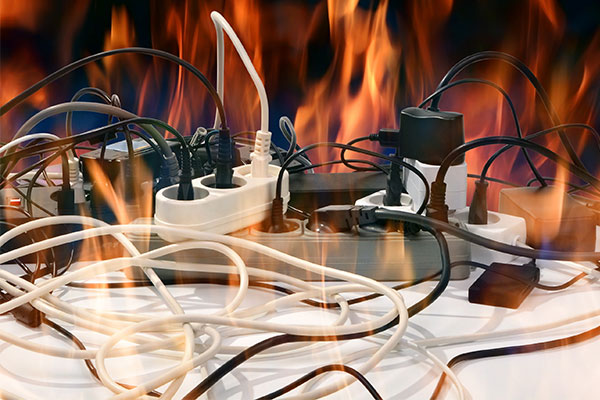
I.Hazards of Flame Retardants
Flame retardants can be classified into categories such as chlorine-based,bromine-based,phosphorus-based,nitrogen-based,and inorganic according to their chemical structures and properties.Among them,some flame retardants such as PBDEs,TBBPA,HBCD,TDCPP,and Firemaster 550,due to their characteristics of high persistence,bioaccumulation,biomagnification,and long - distance migration,may cause toxicity to the reproductive,developmental,nervous,endocrine,and immune systems,and even cancer.
II.Exposure Pathways of Flame Retardants
Flame retardants primarily enter the human body through air,dust,food,and water,with children at higher risk due to hand-to-mouth behavior and higher breathing rates.During fires,toxic gases released by flame retardants and their combustion byproducts pose direct threats to frontline workers such as firefighters.Additionally,handling discarded products containing flame retardants during burning,dismantling,and recycling operations exposes workers to higher risks.
III.Regulatory Oversight and Industry Certifications
To address the hazards of flame retardants,countries and regions have strengthened relevant regulations and introduced industry standards such as TCO and EPEAT certifications.These standards require flame retardants in products to pass GreenScreen assessments and achieve a hazard rating of Level 2 or higher.For example,the revised Environmental Protection Law signed by the Governor of New York State imposes strict restrictions on flame retardants in upholstered furniture,mattresses,and electronic display enclosures.
IV.Green Chemical Alternatives
Under the trend of green and sustainable development,product requirements are gradually shifting,posing challenges to flame retardant raw materials.The industry is transitioning from passive restrictions to actively phasing out hazardous flame retardants.When selecting alternatives,factors such as cost,performance,and hazards must be considered to ensure one hazardous chemical is not replaced by another.This process requires the joint efforts of chemists,toxicologists,and formulators.
The GreenScreen assessment method recommended by the United Nations UNEP has been widely adopted by international organizations,government agencies,and industry certifications.This method evaluates not only performance but also the hazards of chemicals,helping manufacturers choose safer green flame retardants.
Was this helpful? Give us a like!
Contact our experts for compliance audits, precise quotes, and one-stop customs support.
Recent Comments (0) 0
Leave a Reply