
Mastering LCL Ocean Shipping: Guide to Process & Strategies
or complex compliance issues.
clearance and fund security.
Against the backdrop of rapid development in international trade and continuous expansion of transportation services,LCL shipping is widely adopted.However,unlike FCL shipping,LCL shipping has unique and independent transportation requirements.Here,we will explore these issues and discuss the challenges that may arise during actual operations.
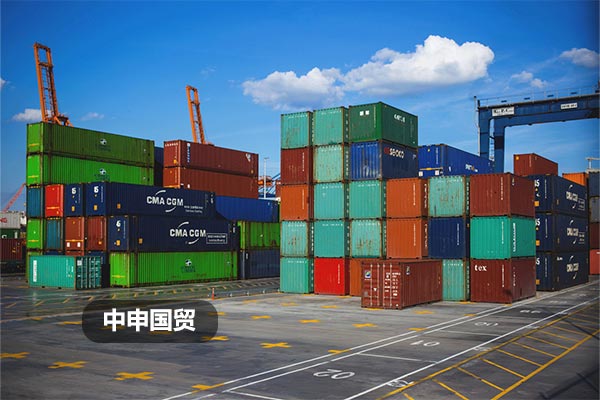
I.Concept and Characteristics of LCL Shipping
LCL (Less Than Container Load) refers to the process where carriers (or agents) accept small shipments from shippers that are insufficient to fill a full container,then sort and consolidate them based on the nature of the goods and destination.Goods bound for the same destination are grouped until they reach a sufficient quantity to fill a container.This method is used when the shippers cargo volume is insufficient to fill a full container.
II.Differences Between Direct Consolidation and Transshipment Consolidation and Their Features
Direct consolidation refers to LCL shipments where all goods in the container are loaded and unloaded at the same port,with the same destination.This type of LCL service is fast and convenient,and is typically offered by established LCL shipping companies.Transshipment consolidation,on the other hand,involves goods with different destination ports in the same container,requiring intermediate unloading or transshipment.Due to varying destinations and longer waiting times for vessels,this type of shipment often takes longer and may incur higher freight costs.
III.Booking for LCL Cargo and the Role of Freight Forwarding Companies
Shipping companies only accept bookings for full container load (FCL) cargo and do not directly accept bookings for less than container load (LCL) shipments.All LCL shipments are transported through freight forwarding companies,which "consolidate and distribute" the cargo.Due to the limitations of their cargo sources,general freight forwarders can only consolidate bookings with a few shipping companies and rarely meet the requirement of specifying a particular shipping company.
IV.Key Considerations: Shipping Terms and Chargeable Tons
When negotiating with clients,special attention should be paid to relevant shipping terms to avoid situations where,after issuing documents,it is discovered that the shipping terms cannot be met.Additionally,the chargeable tons for LCL cargo must be accurate,so factories should measure the weight and dimensions of the goods as precisely as possible.For smaller shipments,LCL-focused freight forwarders may impose minimum chargeable rates.Therefore,when dealing with small-volume shipments or shipments to remote ports,these factors should be carefully considered to avoid future complications.For LCL shipments to remote ports or inland destinations,it is advisable to consult and confirm with shipping companies and freight forwarders about their ability to handle such shipments and associated costs before finalizing contracts.
V.Coping Strategies: Minimum Freight Charges and Handling of Remote Ports
As a critical component of international trade,LCL shipping places high demands on carriers,freight forwarders,shippers,and all parties involved in terms of cooperation and understanding.By comprehending and mastering the characteristics and rules of LCL shipping,as well as proactively addressing potential challenges,the safe,timely,and efficient transportation of goods can be ensured.
Characteristics,Processes,and Coping Strategies of LCL Shipping
Was this helpful? Give us a like!
Contact our experts for compliance audits, precise quotes, and one-stop customs support.
Recent Comments (0) 0
Leave a Reply