
US States Update PFAS Policies in Food Packaging
or complex compliance issues.
clearance and fund security.
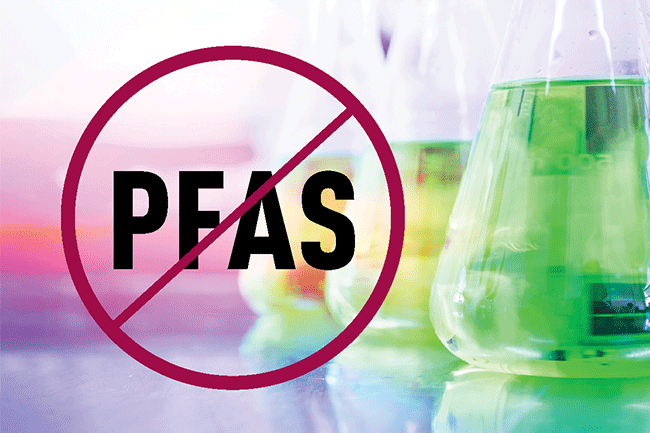
As concerns about the potential health impacts of per- and polyfluoroalkyl substances (PFAS) grow,states in the United States are introducing relevant policies to restrict the use of these chemicals in food contact materials.The following is an overview of the latest policy developments in various states.
I.New regulations in Maine
Following the practice of Washington state,Maine has proposed a ban that explicitly prohibits the intentional addition of nine types of PFAS in fibrous food contact items.This policy aims to reduce the potential risks of these chemicals to consumers health.The states ban applies to large food or beverage companies with annual sales exceeding 1 billion US dollars.The public comment period for this regulation will be open until November 30,2023.
II.Measures in Minnesota
Minnesota is actively soliciting public feedback on its PFAS policy and plans to establish a data collection framework to better monitor products intentionally added with PFAS.The state’s Pollution Control Agency expects to receive detailed information from manufacturers by January 1,2026,and is currently developing a corresponding fee structure.The target date for finalizing the rules is set for 2024,with the deadline for related consultations set for November 28,2023.
III.Legislative changes in California
California has passed Assembly Bill 1200,issuing warnings to companies that sell food packaging containing PFAS or fail to disclose certain chemical substances in cooking utensils online.The bill will officially take effect from 2023,banning the intentional addition of PFAS to fiber-based food packaging and requiring disclosure of the chemical composition of cooking utensils.By 2024,all products will be required to display ingredient labels,and claims of chemical-free cooking utensils will also be subject to restrictions.
IV.Veto of the bill in Nevada
Nevada encountered a policy setback in June 2023 when the governor vetoed a bill aimed at banning PFAS-containing products and requiring explicit labeling of cookware.This decision was based on concerns about imposing premature regulatory burdens and anticipation of federal guidance.Although blocked,the state senator who proposed the bill has planned to push the issue again next year.
The policy updates of state governments have a direct impact on food contact material manufacturers and also provide a higher level of protection for consumers.As policies continue to evolve,manufacturers and relevant stakeholders need to closely monitor the legislative dynamics of various states to ensure compliance and prepare for potential market changes.
Was this helpful? Give us a like!
Contact our experts for compliance audits, precise quotes, and one-stop customs support.
Recent Comments (0) 0
Leave a Reply