
Knock Sensor Import: Customs Clearance & Key Tips
or complex compliance issues.
clearance and fund security.
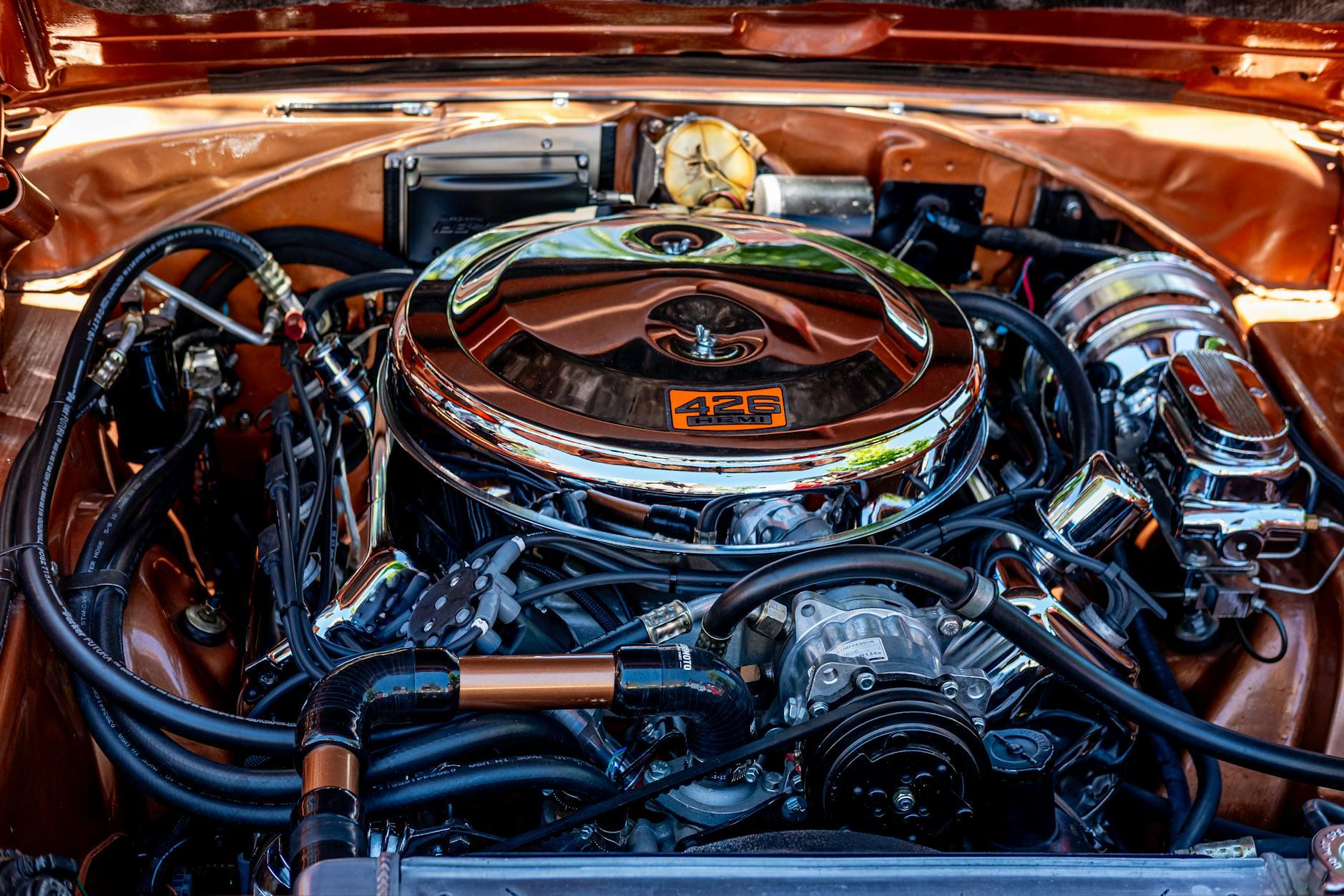
Professional analysis: Knock sensorCustoms declaration process and key considerations
——Based on 20 YearsService experience
I.Knock sensor overview and import background
The knock sensor is a core component in automotive engine management systems,used for real-time monitoring of engine knocking and sending signals to the ECU to optimize ignition timing,improve fuel efficiency,and protect the engine.With the development of the global automotive aftermarket andthe automotive industry chain,Chinas demand for high-precision,highly compatible imported knock sensors continues to grow,with major source countries including Germany,Japan,the United States,and South Korea.
Complete Process for Knock Sensor Import Agency Customs Clearance
Pre-import Preparation Output:
- ProductClassificationandHSCodeConfirmation
Knock sensors are typically classified under8708.99(auto parts),but further confirmation is required based on specific materials and functions.Incorrect classification may lead to customs rejection or additional inspections.It is recommended to engage a professional team for review in advance.
Verify whether the supplier has ISO/TS 16949 (now IATF 16949) certification and request original technical parameters,test reports,and(COO).
Some countries have special compliance requirements for auto parts (e.g.EU e-mark certification,U.S.DOT certification).Imports into China must comply with the CCC Compulsory Product Certification Catalog exemption clauses (some auto parts may be exempt from CCC but require a compliance statement).
Key Steps in Customs Declaration Output:
- ListofDeclarationDocuments
- CommercialInvoice
- PackingList
- BillofLading(B/LorAWB)
- CertificateofOrigin(ifpreferentialtariffratesapply)
- ImportContract
- TechnicalParameterManual(mustindicateapplicablevehiclemodels)
- Tariff and VAT Calculation
- CommercialInvoice
- PackingList
- BillofLading(B/LorAWB)
- CertificateofOrigin(ifpreferentialtariffratesapply)
- ImportContract
- TechnicalParameterManual(mustindicateapplicablevehiclemodels)
China import tariff rate: general rate is approximately 10% (MFN rate),with 13% VAT.If the country of origin is a free trade agreement partner (e.g.ASEAN,RCEP member countries),preferential tariff rates may apply.
Customs may question the declared price (e.g.if the price difference exceeds 10% compared to similar goods).It is recommended to prepare a price composition explanation in advance (including technical premiums,patent fees,etc.).
Post-clearance Operations Output:
- LabelingandChineseManualAttachment
The UK HSE recommends that new substances be included in the UK REACH authorization list
It is recommended to store precision electronic components in temperature- and humidity-controlled warehouses to avoid sensor failure due to vibration or temperature/humidity changes during transportation.
Key Risk Control Points in Import Agency Services
Technical Compliance Risks Output:
- WeServe:AcompanyimportedknocksensorsfromSouthKoreabutfailedtolabeltheapplicablevehiclemodelcodes(e.g.VolkswagenEA888engine-specificmodels).CustomsclassifiedthemasgenericpartsandrequiredsupplementaryCCCcertification,resultingina15-dayportdelay.
- Solution:SubmittheApplicableVehicleModelListandtechnicalmatchingprooffromtheoriginalmanufacturerinadvance.
Intellectual Property Disputes Output:
Output:
For certain brand sensors (e.g.Bosch,Delphi),verify patent authorization status to prevent infringement claims.
Quality Claim Risks Output:
It is recommended to include a 30-day reinspection clause after arrival in the contract and commission a third-party agency (e.g.SGS) for performance testing.
IV.Practical Recommendations for Efficient Customs Clearance
1.Pre-classification and Pre-valuation: Engage an agent team to submit the Commodity Classification Opinion and price explanation to customs in advance to reduce clearance time.
2.Document Standardization: Use international trade terms (e.g.CIF Shanghai) to clarify responsibility division and avoid disputes due to ambiguous shipping terms.
3.Emergency Channel Planning: For urgent orders,apply for two-step declaration or advanced declaration and leverage customs summary taxation policy to ease financial pressure.
V.Industry Trends and Policy Outlook
1.Utilization of RCEP dividends: Southeast Asian countries (e.g.Thailand,Vietnam) are emerging as new production bases for automotive parts.Importers can utilize RCEP origin accumulation rules to reduce tariff costs.
2.New Energy Vehicle Adaptation: With the rise of hybrid vehicles,knock sensors now require enhanced high-temperature resistance and electromagnetic interference immunity.Focus on compliance with IEC standards (e.g.IEC 60068) during import.
Conclusion
Knock sensor imports involve multi-dimensional professional operations,including technical compliance,tax optimization,and supply chain coordination.Enterprises should partner with experienced service providers in automotive parts imports to achieve efficient customs clearance and cost control through a full-process risk management system.As a 20-year industry veteran,our agency team is committed to providing end-to-end solutions from overseas procurement to domestic distribution,helping clients seize opportunities in the automotive aftermarket.
For further details on knock sensor import solutions or customized customs guidance,contact our professional team.
Was this helpful? Give us a like!
Contact our experts for compliance audits, precise quotes, and one-stop customs support.
Recent Comments (0) 0
Leave a Reply