
International Trade Payment Methods: A Buyer's Guide
or complex compliance issues.
clearance and fund security.
Related Introduction
There are 4 commonly used payment methods in international trade,namely telegraphic transfer,Documents against Payment and Documents against Acceptance.
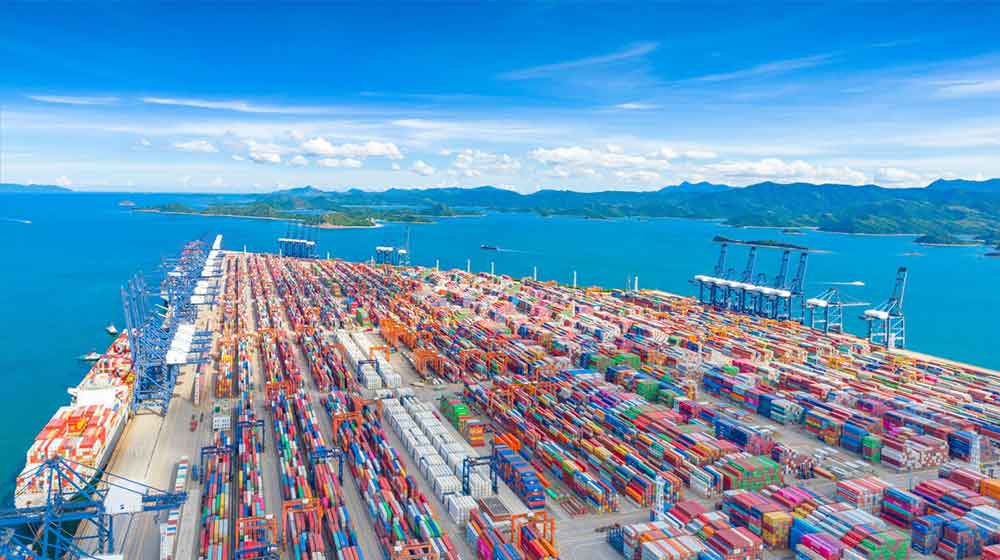
4 Common Payment Methods in International Trade
Telegraphic Transfer (T/T) Output:
Telegraphic Transfer (T/T) means that the remitter pays the corresponding payment for goods to the bank,and then the bank notifies the receiving bank in an electronic transmission way,such as telegraph or even a phone call,of matters related to paying a certain amount of money to the payee.Subsequently,the payee will receive the payment from the receiving bank.
Letter of Credit (L/C) Output:
This is one of the most favored payment methods by both parties in international trade.When the importer of goods applies to the bank for issuing a Letter of Credit (L/C),and the bank agrees and issues an L/C to the exporter of goods,this bank becomes the issuing bank of the L/C.The exporter can obtain the payment from the bank within the time specified in the L/C and in compliance with the terms of the L/C.In addition,if the bank from which the exporter obtains the payment is not the issuing bank,then the issuing bank needs to reimburse the payment to this bank.
Documents against Payment (D/P) Output:
Documents against Payment (D/P) means that the exporter of goods will hand over the shipping documents and the bill of exchange to the bank together.The importer of goods can only obtain the shipping documents from the relevant bank when it has settled all the payments.And these shipping documents will be the basis for the importer to take delivery of the goods.
①Documents against Payment at Sight.That is,when the importer receives the banks notice of paying for the goods in exchange for the shipping documents,it should immediately go to the bank,check the bill of exchange and make the payment.
②Documents against Payment after Sight.Different from Documents against Payment at Sight,the importer can settle the payment for goods on the maturity date of the bill of exchange,rather than necessarily settling it upon seeing the bill of exchange.
Documents against Acceptance (D/A) Output:
The bill of exchange used for Documents against Acceptance (D/A) is also a usance bill.However,the importer does not need to pay the payment for goods before obtaining the shipping documents.It only needs to accept the bill of exchange,and then it can use the shipping documents to take delivery of the goods in advance.
Was this helpful? Give us a like!
Contact our experts for compliance audits, precise quotes, and one-stop customs support.
Recent Comments (0) 0
Leave a Reply