
ASEAN Cosmetic Regulations for Whitening Products
or complex compliance issues.
clearance and fund security.
I.Regulatory Framework and Product Notification Requirements
The Association of Southeast Asian Nations (ASEAN) is composed of 10 member states.These countriesfollow the ASEAN Harmonized Cosmetic Regulatory Scheme (AHCRS) and the ASEAN Cosmetic Directive (ACD) in regulation.This regulatory framework aims to unify the regulatory standards of cosmetics among member states and ensure the safety and effectiveness of products.As an important part of the cosmetics market,whitening cosmetics also need to comply with these regulations.
Notification System
According to the ACD,all cosmetics intended to be sold in the ASEAN market must first undergo product notification.Each member state requires separate notification to ensure compliance in different regulatory environments.The product notification mainly includes the following steps:
Notification Preparation: Before launching a new product,enterprises need to collect and prepare detailed product information,including ingredients,efficacy,usage methods,etc.
Submitting Notification: Submit the Product Notification Form through the local competent authority.This step usually needs to be completed with the help of a local agent or branch company.
Waiting for Approval: The competent authority will review the submitted materials to ensure that the product meets local safety and effectiveness standards.
This process ensures that products undergo strict review before being launched on the market,protecting the safety and rights of consumers.
II.Raw Material Usage and Labeling Requirements
Whitening cosmetics sold in the markets of ASEAN countries must comply with the raw material and labeling regulations in the ACD.
Raw Material Restrictions
The ACD clearly prohibits or restricts the use of certain chemical components to prevent potential health risks to consumers.For example,components such as hydroquinone,retinoic acid,and azelaic acid are strictly prohibited in whitening products.While components such as niacinamide (vitamin B3) and arbutin are widely accepted whitening ingredients,and their use needs to strictly comply with the proportions and usage conditions in the annex of the ACD.
Labeling Specifications
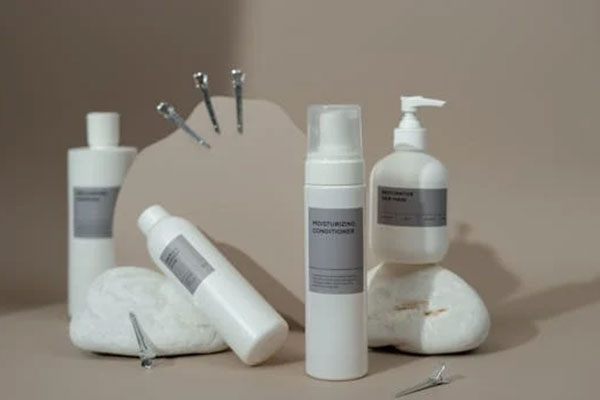
The labels of all whitening cosmetics must provide an accurate list of ingredients,purposes,usage methods,and warning information.In addition,all claims must be scientifically proven and not exaggerated.The label must not contain any information that misleads consumers.
III.Product Claim Requirements
Product claims are an important part of the cosmetics market and have a direct impact on consumers purchasing decisions.ASEAN has strict requirements and guiding principles for the claims of whitening cosmetics.
Claim Specifications
The claims of whitening products must not violate the provisions of the ACD and must not involve any illegal or misleading information.For example,it is not allowed to claim that the product has the effect of permanently changing skin color or has medical efficacy.Claims must be based on the actual effects of the product and must be supported by scientific research.
Claim Examples
Allowed Claims: Such as "helps reduce skin pigmentation" and "brightens skin tone," all claims must be supported by scientific evidence.
Prohibited Claims: Such as "permanent whitening" or "complete elimination of melanin," as these claims may potentially mislead consumers.
Overall,the regulatory framework for whitening cosmetics in the ASEAN region requires that products must go through strict notification and review procedures before entering the market.In addition,the use of raw materials and claims of products must strictly comply with the regulations to ensure the protection of consumers safety and rights.
Was this helpful? Give us a like!
Contact our experts for compliance audits, precise quotes, and one-stop customs support.
Recent Comments (0) 0
Leave a Reply