
Chassis Parts Import: A 2024 Expert Solutions Guide
or complex compliance issues.
clearance and fund security.
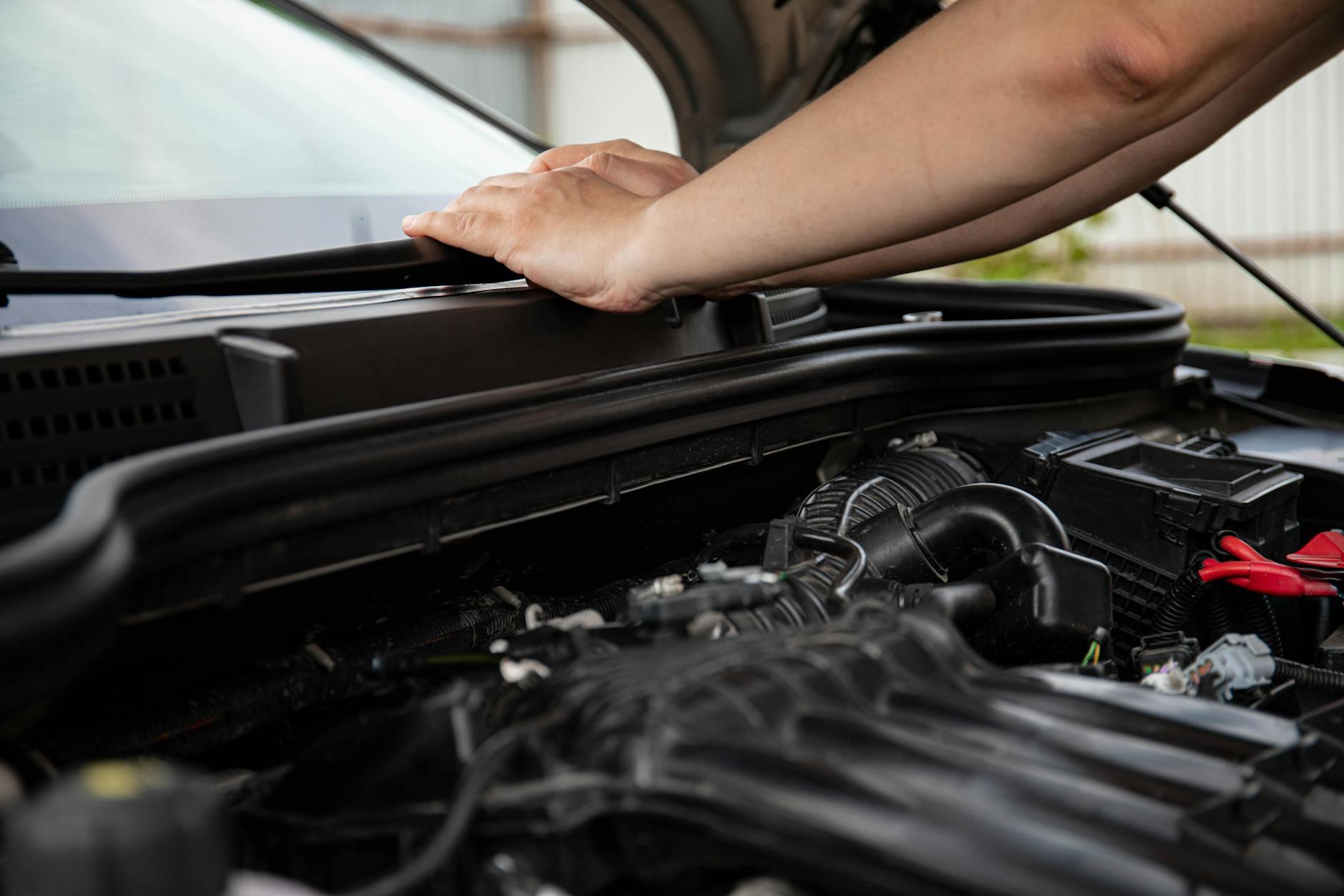
As a senior consultant with 20 years of experience in theAs a 20-year veteran in this field,I deeply understand that chassis parts,as core components of the automotive industry chain,involve complex regulations,technical standards and supply chain management in their import process.This article will systematically analyze professional solutions for chassis parts from four dimensions: industry pain points,operational key points,risk management and service value.professional solutions.
I.Current Status and Core Challenges of Chassis Parts Import Industry Output:
1.Special requirements arising from product characteristics
Chassis parts (suspension systems,steering mechanisms,brake components,etc.) fall under the category of automotive safety components and must meet mandatory certification standards of importing countries (such as EU E-Mark certification,US DOT certification,China certification).2023 data shows that about 35% of import delay cases stem from incomplete certification documents.).2023 data shows that about 35% of import delay cases are due to incomplete certification documents.
2.Global supply chain fragmentation risks
Significant differences in technical standards among major supplying countries (Germany,Japan,USA),for example:
- EUimplementsECER90certificationsystemforbrakecomponents
- USASAEstandardsformetalfatiguetestingrequirementsofsuspensionsystems
- ChinaGB/T3018standardforflawdetectionofchassiscastings
3.Dynamic changes in trade policies
Recent typical cases: US anti-dumping duties on Chinese steel wheels reached 172.1%,EU implemented customs code 8708 classification verification for suspension system ball joints,directly affecting import cost calculations.
II.Key points of full-process management for professional agency services Output:
Stage 1: Pre-compliance layout
- HScodepre-classification:Accuratelydeterminetariffcodedifferencessuchas8708(suspensionsystem),8708(transmissionbracket)
- Technicaldocumentreview:Verifyconsistencybetweenproductdrawingsandcustomsdeclarationparameters(e.g.shockabsorberstroketolerance±0.5mm)
- Logisticssolutiondesign:Developconstanttemperatureandanti-vibrationtransportationsolutionsforprecisioncomponents(e.g.electronicsteeringgear)
Stage 2: Key controls for import declaration
- Tariffoptimization:UtilizeRCEPagreementfortariffreductiononASEAN-producedsteeringknuckles
- Classificationdisputeresolution:ResolvefunctionalattributedeterminationofsteeringsystemECU(ElectronicControlUnit)throughpre-rulingmechanism
- Inspectionandquarantinecoordination:ArrangeCCICforpre-shipmentradioactivetestingofcastings
Stage 3: Domestic circulation management
- Bondedwarehousinganddistribution:Achieving"batchreleasefromthezoneandcentralizeddeclaration"forhigh-frequencypartssuchasbrakediscs.
- Qualitytraceabilitysystem:EstablishQRcode-basedpartslifecyclerecords(includingdata)
- Reverselogisticshandling:AssistclientswithECRSsystemdeclarationfordefectiveproductreturns
III.Industry frequent issues and solutions Output:
Case 1: Technical parameter disputes
When a German-funded enterprise imported air suspension systems,customs questioned due to discrepancy between declared load capacity (1500kg) and measured value (1523kg).We mitigated risks through:
- CoordinatingwithTüVtoissuetolerancerangedocumentation
- ProvidingoriginalQAtestrecordsfromGermanfactory
- Initiatingtechnicalconsultationprocedureforclassification
Case 2: Intellectual property dispute
For suspected patent infringement of Japanese JIS D4401 standard steering gears:
- Conductadvancesearchincustomsrecordationsystem(IPRmodule)
- RequiresupplierstoprovideFTO(FreedomtoOperate)declaration
- Purchasepatentinfringementliabilityinsurance(coverageupto200%ofcargovalue)
IV.Core Evaluation Dimensions for Selecting Professional Agents Output:
1.Technical decoding capability
Whether possessing an engineering team capable of interpreting professional standards such as SAE J401 (Steering System Terminology) and ISO 25706 (Brake Noise Testing)
2.Emergency Response System
- CompletionofSVHCsubstancescreeningwithin72hoursafterEUREACHregulationupdates
- AEO-certifiedenterprisesenjoya50%reductionininspectionrates
- ContingencyplanforswitchingbetweenAntwerp/Hamburgdualportsduringsuddenstrikes
3.Digital Service Capability
- Blockchaintraceabilitysystemtrackingeachbearingsimportprocessnodes
- Bigdataearlywarningplatformmonitoringglobaltradepolicyupdates
- Intelligenttariffsystemautomaticallymatchingapplicabletaxratesforspareparts
V.Industry Trends and Value Creation Output:
With theThe increase in car penetration (expected to reach 30% by 2025) has led to new trends in chassis parts.
- Packagingandtransportationinnovationsbroughtbyintegrateddie-castchassis
- ECUimportcompliancerequirementsforSteer-by-Wire(SBW)systems
- Specialcustomsdeclarationspecificationsforcarbonfibercompositecomponents
Professional agency service providers are transitioning from traditional "customs clearance executors" to "supply chain strategic consultants" by:
- VMI(VendorManagedInventory)reducingcustomercapitaloccupation
- CarbonfootprintcertificationassistanceforacquisitionPreferences
- Globalprocurementcentermodelintegratingmulti-countrysupplysources
Conclusion
Chassis component imports are not merely simple logistics activities but multi-dimensional system engineering involving technology,law,and commerce.Selecting agents with profound industry expertise can help enterprises reduce approximately 18% in comprehensive operational costs,shorten customs clearance time by 40%,and effectively prevent major risks such as quality claims and intellectual property infringement.In todays accelerating globalization of the automotive industry,professional matters must be entrusted to professionals.
Was this helpful? Give us a like!
Contact our experts for compliance audits, precise quotes, and one-stop customs support.
Recent Comments (0) 0
Leave a Reply